

 Português pt
 Español es
 العربية ar
 বাংলা bn
 Deutsch de
 Filipino fil
 Français fr
 हिन्दी hi
 Bahasa Indonesia id
 Italiano it
 Русский ru
 Svenska sv
 ไทย th
 Türkçe tr
 Tiếng Việt vi
 简体中文 zh
How to Trade Commodities: A Complete Guide for Beginners
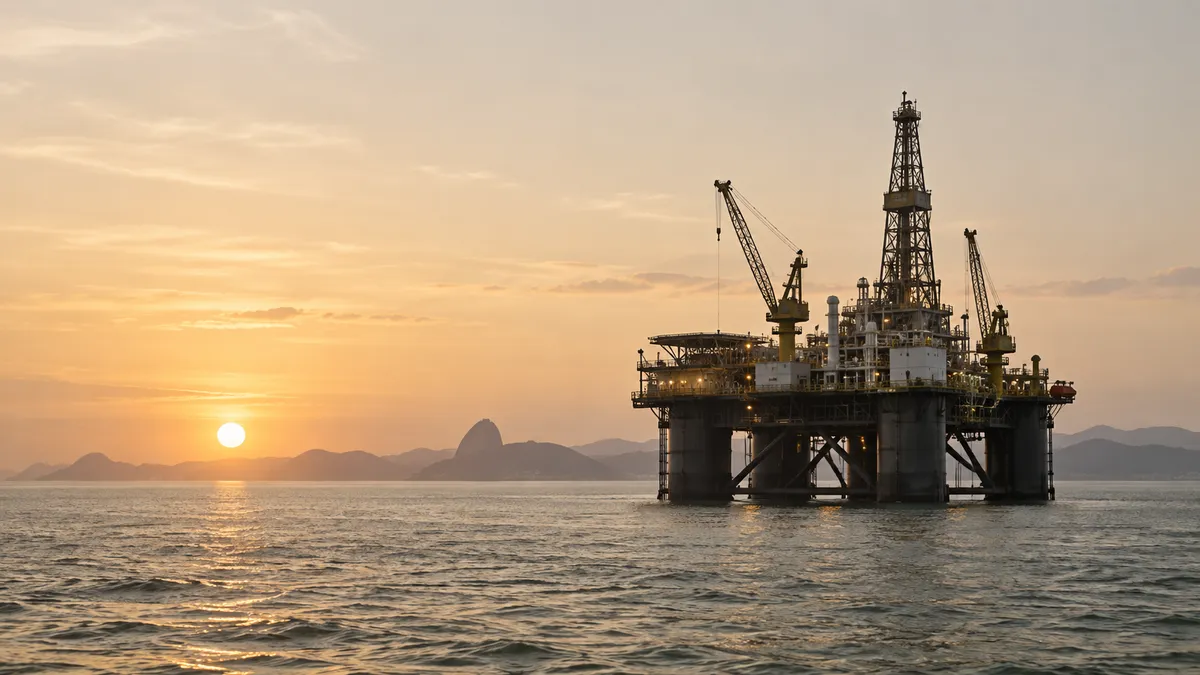
Oil, gold, coffee, corn, natural gas: commodities are basic goods, produced at large scale and traded with little differentiation from one batch to another. Unlike a stock, whose price reflects the financial health of a specific company, a commodity's price mainly reflects the balance between supply and demand for a physical product used all over the world.
The three families of commodities
Energy brings together oil, natural gas, and their derivatives, with prices sensitive to decisions made by producing countries, inventories, and industrial demand. Metals are split into precious ones, like gold and silver, historically used as protection during moments of uncertainty, and industrial ones, like copper, tied to construction and manufacturing activity. Agricultural commodities include grains like soybeans, corn, and wheat, plus coffee and sugar, with prices heavily influenced by the harvest and weather.
What moves a commodity's price
Weather and harvest weigh directly on agricultural products: a prolonged drought in a coffee-producing region can reduce expected supply and push the price up, even without any change in demand. Geopolitical decisions, like production cuts announced by major oil-producing countries, directly affect the energy supply available in the global market.
Another relevant factor is the exchange rate: most commodities are priced in dollars, so a strengthening or weakening of the dollar against other currencies changes the relative cost of the product for buyers outside the United States, which can shift demand and, as a result, the price. Finally, inventories and periodic reports — like the ones bringing data on oil reserves or harvest forecasts — tend to trigger sharp short-term moves right after release.
Differences compared to stocks and currencies
While a stock can be affected by an isolated piece of company news, a commodity tends to react to macro factors that affect the entire product worldwide. That means analyzing a commodity requires following the harvest calendar, decisions by organizations of producing countries, and global industrial activity indicators, instead of a specific company's quarterly earnings.
Volatility also tends to differ: precious metals like gold tend to move more gradually on normal days, while energy and agricultural commodities can have sharp jumps around events like production decisions or harvest reports.
A practical example with numbers
Suppose oil is trading at R$ 410 a barrel in equivalent terms on the platform, and a trader decides to open a long position equivalent to 10 barrels, with a protective stop 3% below the entry price. That puts the stop at R$ 397.70, meaning a potential loss of R$ 12.30 per barrel, totaling R$ 123.00 if the stop is triggered. Setting this limit before entering lets you calculate exactly how much is at risk, regardless of how strong the conviction about oil's direction seems at that moment.
How to start studying commodities
The first step is choosing one or two commodities to follow closely, instead of trying to follow the entire market at once. The second is building a simple calendar with the release dates of relevant reports for that product, such as weekly oil inventories or agricultural harvest reports. The third is watching, over a test period, how the price historically reacts to those events, before trading with real capital.
A platform like Astron lets you track quotes for different commodities side by side, which helps compare the behavior of energy, metals, and agricultural products over the same period and understand how each group reacts differently to the same macroeconomic events.
Risks that deserve attention
Commodities can have sharp moves around unpredictable news, such as geopolitical conflicts or extreme weather events, which fall outside any analysis model. Leverage, when used, amplifies both gains and losses, and should be sized considering the specific product's historical volatility, not a fixed number applied to any asset.
Final considerations
Trading commodities requires understanding that the price reflects a physical product used globally, subject to weather, geopolitics, and exchange rates all at once. There's no formula that eliminates the risk of these variables, but choosing a few assets to follow closely, respecting an event calendar, and defining risk before each trade are steps that make this learning process more organized and less dependent on luck.
Practice before you risk. Open your Astron account and test your ideas on the demo account with R$ 10,000 in virtual funds.
Create free account