

 Português pt
 Español es
 العربية ar
 বাংলা bn
 Deutsch de
 Filipino fil
 Français fr
 हिन्दी hi
 Bahasa Indonesia id
 Italiano it
 Русский ru
 Svenska sv
 ไทย th
 Türkçe tr
 Tiếng Việt vi
 简体中文 zh
What Really Moves Commodity Prices
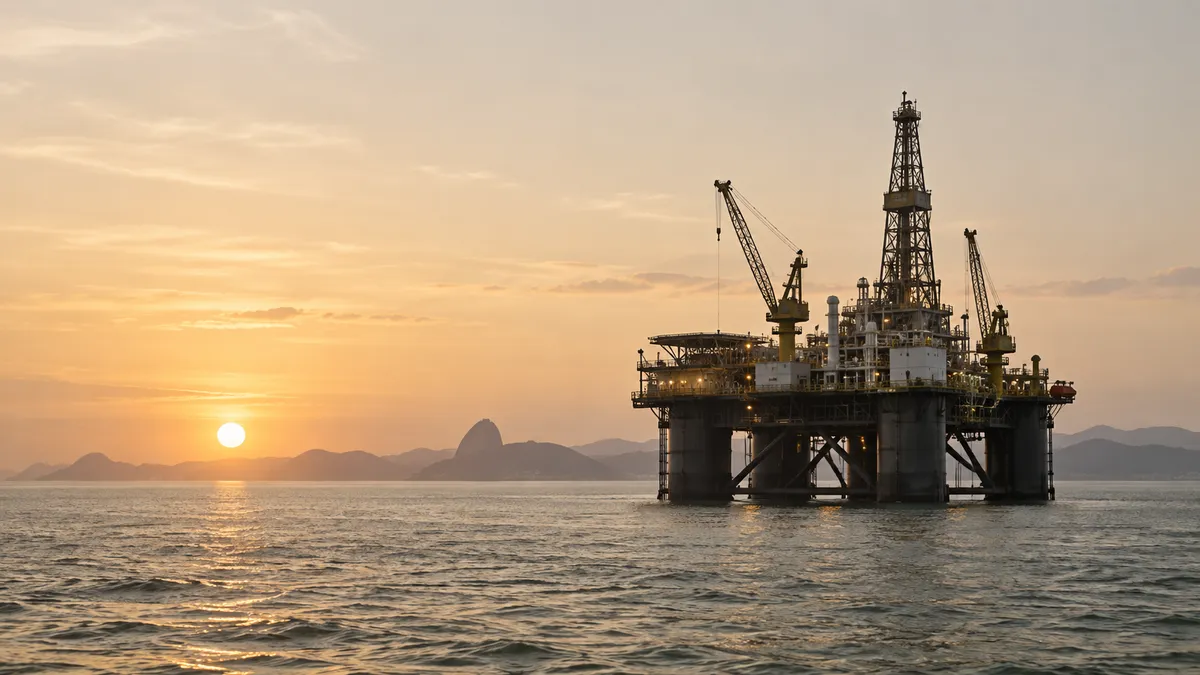
Oil, gold, corn, coffee: all these assets have something in common beyond being traded globally. They're physical raw materials, produced, transported, and consumed in real quantities, which makes their prices react to factors quite different from what moves a technology stock, for example.
Understanding what actually influences a commodity's price helps interpret news and market moves more clearly, instead of just reacting to what shows up in the headline.
The three major commodity families
Before talking about price, it's worth understanding that not every commodity responds to the same triggers. They usually split into three main groups:
- Energy: oil, natural gas, derivatives. Very sensitive to geopolitical decisions and to production cuts or increases.
- Metals: gold, silver, copper. Gold usually reacts to economic uncertainty and monetary policy; industrial metals like copper react more to global industrial activity.
- Agricultural: corn, soybeans, coffee, wheat. Extremely sensitive to weather, since harvests directly depend on rain, drought, and temperature in producing regions.
Supply and demand: the foundation of everything
In the end, any commodity's price reflects the balance between how much is available and how much the world wants to buy. When supply grows faster than demand, the price tends to fall. When demand grows faster than supply, or when supply is disrupted for some reason, the price tends to rise.
A practical example: if a frost hits the main coffee-producing regions and destroys part of the expected harvest, future coffee supply drops, even if global demand stays the same. This imbalance usually shows up quickly in the price traded on coffee futures markets, even before the effect appears on store shelves.
Factors that weigh more on each type of commodity
A few specific triggers deserve extra attention, depending on the commodity group analyzed:
- Production decisions: oil production cuts or increases by major global producers directly affect the global supply of the fuel.
- Monetary policy: gold usually appreciates when real interest rates fall or when there's uncertainty about the economy, since many investors see it as a store of value in tough times.
- Weather and harvest: agricultural commodities depend on specific weather conditions during short windows of the year, which can generate sudden volatility during planting or harvest season.
- Exchange rate: since most commodities are priced in dollars, a strengthening or weakening of the US currency affects the price even without any real change in physical supply or demand.
How these moves show up in the market
Most global commodity trading happens through futures contracts, agreements to buy or sell a standardized quantity of the asset on a future date, at a price set today. This lets producers and buyers protect themselves from price swings, and also lets investors speculate on these prices' future direction without needing to physically deal with barrels of oil or bags of coffee.
A simple example of market reading: if a commodity's futures price is well above its current spot price, that usually indicates the market expects significant storage costs or tighter supply in the near future. The opposite is also true, and this relationship between present and future prices is closely watched by those trading these markets.
Precautions when following commodities
Commodities tend to have higher volatility than many other assets, precisely because they depend on physical, weather, and geopolitical factors that change quickly and are hard to predict precisely. A few basic precautions help:
- Following inventory and production reports periodically released by industry bodies.
- Understanding that geopolitical news can generate sharp, short-lived moves.
- Not confusing an isolated headline with a structural change in the asset's supply or demand.
Trading commodities, whether directly or through instruments like CFDs available on Astron, involves significant risk of loss, precisely because of these assets' typical volatility. Understanding the fundamental factors behind the price doesn't eliminate the risk, but helps you better interpret why an asset moves a certain way, instead of just reacting to the chart with no context.
Practice before you risk. Open your Astron account and test your ideas on the demo account with R$ 10,000 in virtual funds.
Create free account